
That Farming Physio
Physio for people who move, work hard, and want practical support — wherever you live in NZ (or the world)
Because bodies don’t live in textbooks. Whole-person physiotherapy for people who work hard, move a lot, and want treatment that actually makes sense.
As seen on
Hyundai Country Calendar
I was recently featured on Hyundai Country Calendar, alongside my family in inland Wairoa, sharing a glimpse of our farm life and the story behind That Farming Physio.
How I Can Support You
Book a Session
Online or in person physiotherapy sessions anywhere in New Zealand with me Storm.
Injury Resources
Here you can find resources focused on specific injuries for management acutely and long term.
free resources
Here are a few free resources to help get moving, feel a bit better, and understand what your body might need next.
More Than Injury-Based Physiotherapy
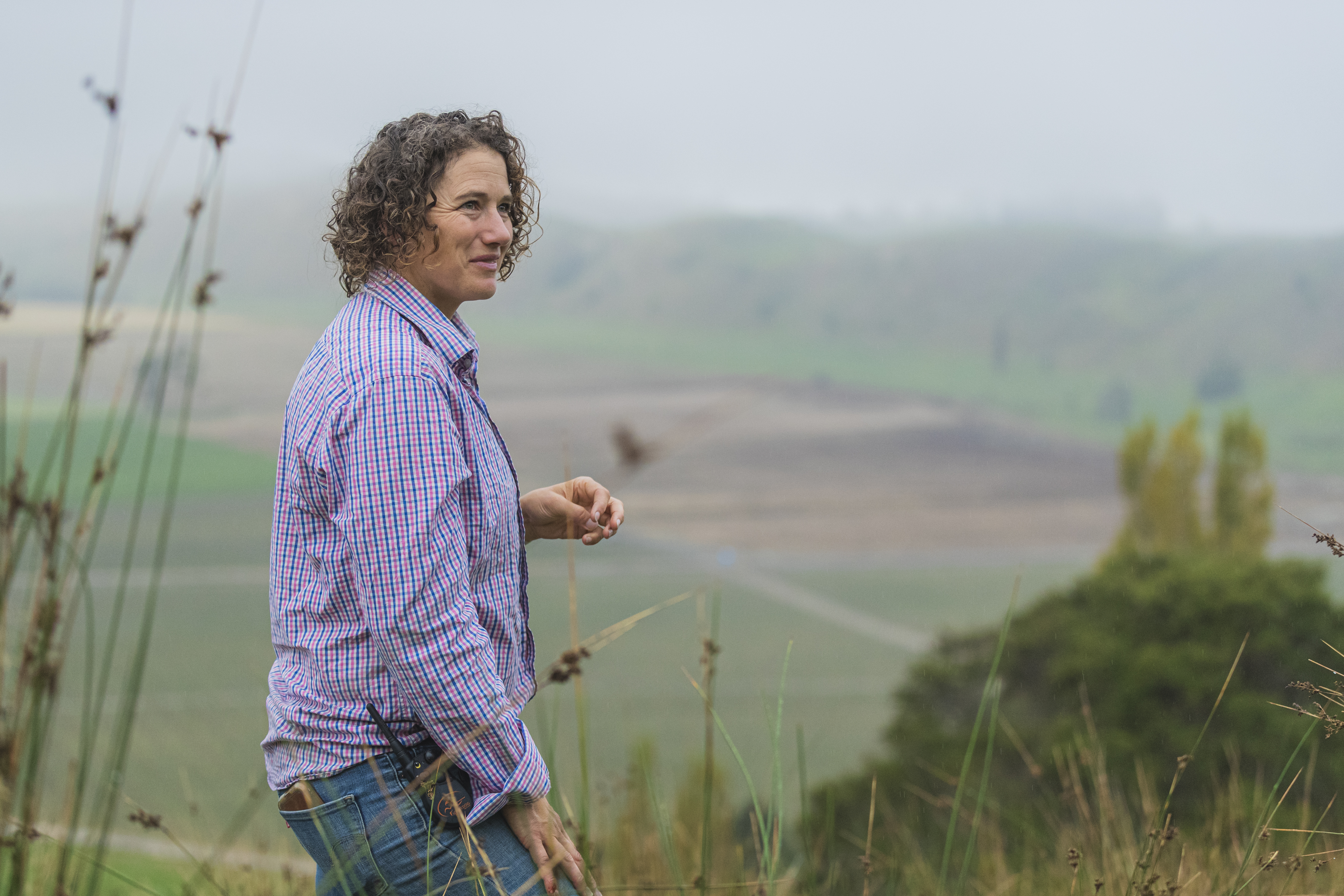
I offer whole-person physiotherapy — not just treating the injury, but understanding the body around it and the life you’re living in.
That means looking beyond pain to how you move, sleep, eat, recover, and how your nervous system and internal systems influence the way your body functions. Everything is connected — and your treatment should be too.
You’ll get practical, evidence-based care with a clear plan, real progress, and ongoing support. I don’t disappear once the session ends.
Services I Offer:
→ Injury first steps & clear “who to see when” guidance
→ Recovery and rehabilitation plans
→ Online physiotherapy sessions
→ Face-to-face physiotherapy sessions
I live this life too — farming, physio, family. I’m practical, straight-talking, and focused on what actually works.
If you’re not farming but want no-nonsense physiotherapy that gets results, you’re just as welcome here.
Hi, I'm Storm
BHSc (Physiotherapy), PGDip Musculoskeletal Physiotherapy
I have been a dedicated physiotherapist since 2002. After completing my Bachelor of Health Science (Physiotherapy) at AUT, I went on to gain a Postgraduate Diploma in Musculoskeletal Physiotherapy in 2004. I have not stopped learning since.
Before starting my family, I spent 14 years working in private practice, building strong experience across musculoskeletal injuries, pain management, return-to-work programmes, and rehabilitation.
I now focus on whole-human physiotherapy in my online and in person physiotherapy clinic. I make sure that clients get what they need for a robust, resilient life - not just treating what is sore. In May 2022, my husband and I (along with our four kids) purchased a hill country farm in Te Karaka, where we now run sheep and beef.
My Services
Nationwide Online or In Person Physio Sessions
↓
Comprehensive Initial Appointment
A thorough evaluation of the injury, including a detailed medical history and physical examination. These appointments are for 60 minutes.
**Please fill this form out prior to your appointment
Duration
60 minutes
Fees
ACC Co-payment: $90
Private: $180
Acute Initial Assessment
For injuries brought on through an accident that are less than two weeks old. No discussion on health/other factors. This is to help you make a decision regarding where to go next.
A convenience fee of $30 for earlier/urgent appointments (outside of availability) applies.
Duration
45 minutes
Fees
ACC Co-payment: $75
Follow Up Appointments
Based on your initial assessment, your therapist will make a recommendation on whether your injuries are more suited to longer or shorter follow-up treatment sessions.
Unless advised otherwise, please book for 30 minutes.
Duration
45 minutes
Fees
ACC Co-payment: $45
Private: $90
↓ MY GIFT TO YOU
Free Resources for Hard-Working Farmers
Looking after the farm is demanding — make sure your body keeps up.
Farm Work Relief Routine
Feeling achy before or after farm work? Try this 5-minute routine to help your body handle yard work, shearing and fencing.
5-min routine
Make sure your body feels good after yard work, shearing and fencing
Includes explanations, variations and progressions
Yours FREE!
Get those Glutes Going Guide
Struggling to feel your glutes switch on? This simple 3-minute guide helps you find, activate and build better glute engagement.
3-min routine
Great before walks, workouts, farm work or rehab exercises
Includes explanations, variations and progressions
Yours FREE!
Subscribe to my Newsletter
Don't miss out on updates!
Weekly video, updates and treatment deep dives!